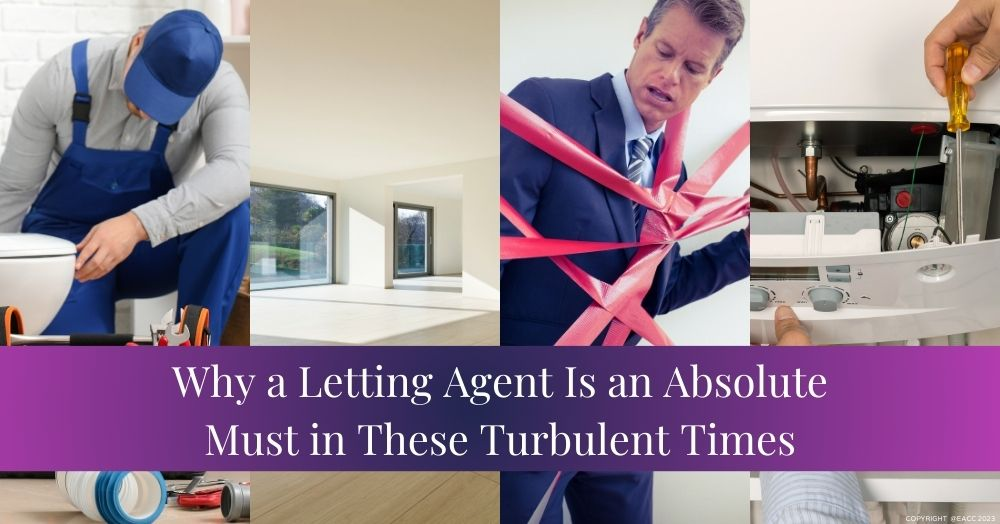
Why Self-Managing Your Rental Might Not Be the Money Saver You Think It Is
This week’s lettings article looks at the true cost of self-managing a rental property.
Not since 2008, when Katy Perry stormed the music charts and Gavin and Stacey ruled the small screen, have interest rates been as high as they are today.
As a result, many mortgage holders are looking for ways to trim their outgoings to ease the financial burden.
Homeowners are putting DIY projects on the back burner and reducing their spending on
holidays and takeaways, while some buy-to-let landlords are toying with the idea of self-managing their rental portfolio (despite the fact agent fees are tax deductible).
But while the prospect of saving a bit each month on letting agent fees might seem attractive, in the long run, it could be a false economy.
Here are some reasons why self-managing your rental might not save you any money at all.
Maintenance and repairs
A good letting agent will schedule and manage maintenance and conduct regular inspections to ensure potential issues are spotted early. They’ll identify and address minor problems, such as leaky pipes or blocked gutters before they can mushroom into bigger, more expensive problems.
Avoid void periods
Good tenants are far more likely to stay in a property if it’s well managed and they feel their concerns are being listened to. But if you have a busy career or travel regularly, being on call around the clock may be unfeasible. A good letting agent can help foster a long-lasting tenancy and avoid void periods where you’ll still have to stump up for the mortgage and council tax.
Red tape
The number of private rental sector regulations has ballooned in the past few years, and even more are in the pipeline. Landlords who mess up and get something wrong can face hefty fines or messy legal disputes. Having a professional on your team who understands the ins and outs of the law can save you significantly in the long run.
Safety checks
A landlord has a legal obligation to ensure their rental property is safe and secure and must meet strict electrical and boiler safety checks regulations. Fail to do this and your landlord insurance could be invalidated, or you could even face prosecution – an outcome that could be very costly.
If you’d like to learn more about our property management services, contact us here at Shaws Kensington today.