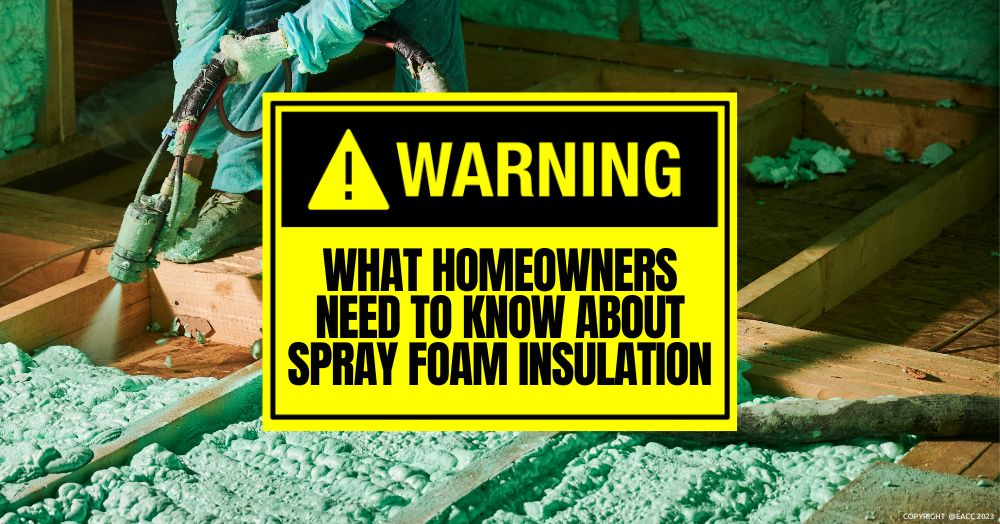
Spray Foam Insulation: Why It’s Risky and Could Impact the Sale of Your Home
This sales article examines the problems associated with spray foam insulation and what they mean for homeowners.
Insulating your home is generally a good way to cut back on energy bills and add value to your property.
But there’s one type of insulation that could cause structural problems and prove costly in time and money: spray polyurethane foam (SPF).
In this article, we explain why many professionals in the property industry are urging homeowners to be wary of installing SPF and what to do if it’s already in your home.
But firstly, what is SPF?
More commonly known as spray foam, SPF has been used for decades in the UK. It’s sprayed in liquid form into roofs and other hard-to-reach places, where it expands, sets and then acts as an insulator.
Why does it cause problems?
Some types of spray foam block airflow and cause condensation. Over time, this can lead to wooden beams and rafters rotting.
And because spray foam sets hard across the inside of the roof, it’s impossible to inspect what’s going on underneath. So, if there is a problem with damp or warping, you can’t spot it early and take action. For this reason, many surveyors refuse to sign off on properties with spray foam; they simply can’t see enough to make a professional assessment.
What are the implications?
As many banks won’t lend on homes with spray foam, its presence can impact the saleability of a property. Similarly, a homeowner could be ineligible for equity release if spray foam is present in their home.
What to do if spray foam is in your property
Firstly, don’t panic or make any rash decisions. Seek advice from a chartered surveyor about next steps.
One option is to have the spray foam removed. (It’s a specialist job, and not one to do yourself, as the spray foam can be toxic to touch or inhale.)
The cost of removal will depend on the size of your roof space and the availability of specialists to carry out the work. But expect the bill to run into the thousands. (Last year, Checkatrade suggested removing spray foam from the roof of a three-bed home would cost around £3,200.)
If you’re considering having spray foam removed, do your homework and check the credentials of the tradesperson quoting for the work. Unfortunately, there are cowboys out there. If someone asks for a large sum upfront to do the job or pressures you to commit to work on the spot, be suspicious and send them packing.
If you’d like to discuss any of the issues raised in this article, contact us here at Shaws Kensington today.